
Sirui Aurora 35mm F/1.4 Review
More Light, Less Cost
By Sam Bugas - Aug 2026
This time, I’m reviewing the Sirui 35mm F/1.4 Aurora lens. The Aurora line of lenses, currently made up of the 35mm and the 85mm, has already grown a reputation for granting affordable access to bright primes with quality to boot. How does that quality really hold up after consistent testing in a range of environments? Well, let’s dig in! As always, this won’t be a particularly technical review. I bring my glass into remote places to do a mix of personal and professional work. This means I’m looking for reliable, strong, results, but not technical perfection.
Initial Thoughts
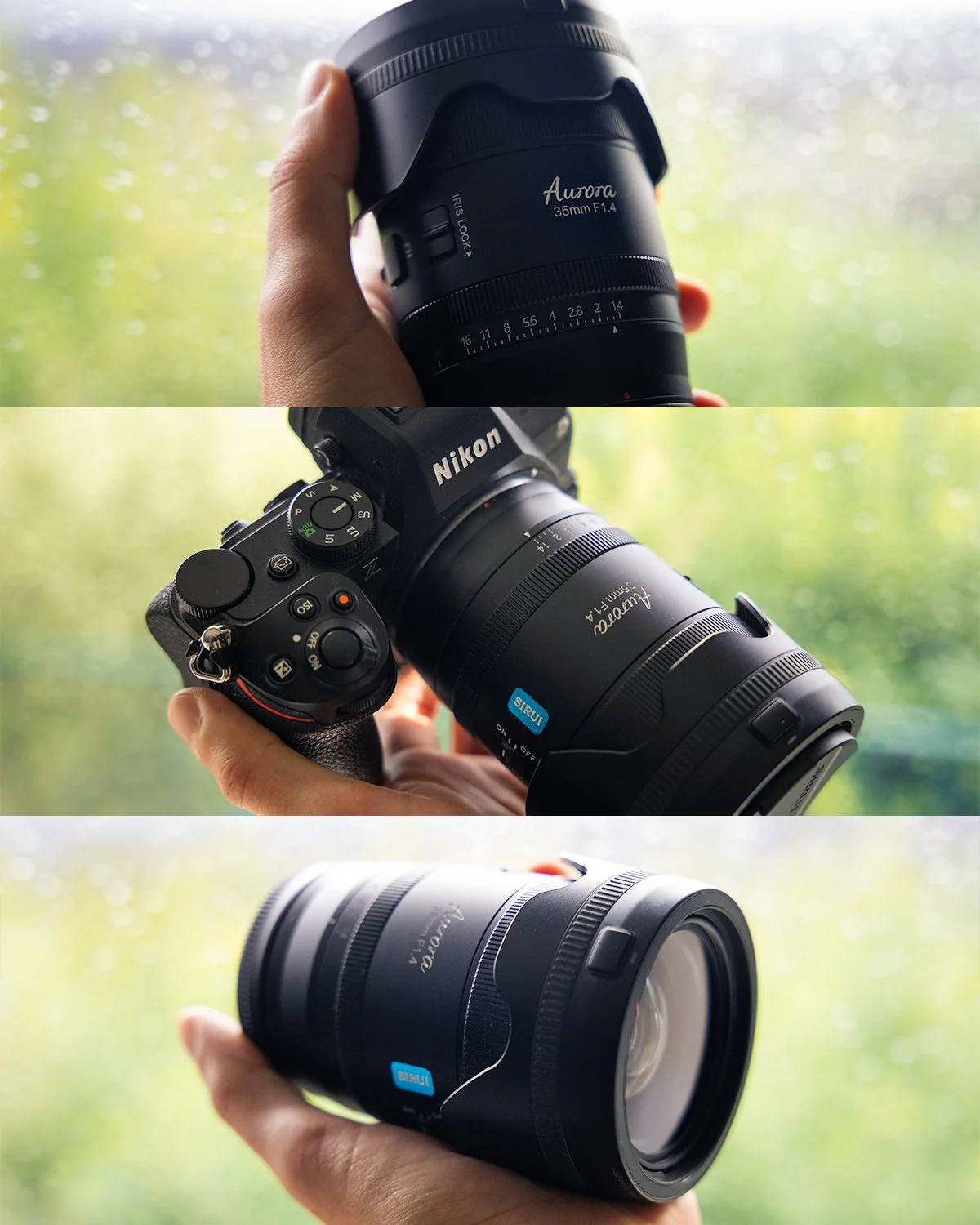
I may just be a simple guy that likes simple things, but something about the Aurora caters to my sleight fixations more than most lenses I’ve used before it. Part of this boils down to the 35mm focal length; an almost industrial perspective on the world wherein the frames created feel natural, not overly influenced by romantic compression or excessive wideness. Put more simply, 35mm is basic, and it does a modest job of being accurate to the moment. Combine that with healthy heft that inspires some faith in the layers of elements I’ll be relying on (16 of them, in 11 groups, to be precise), and theres a feeling of confidence in the lens. At around 500 grams, it has best in class weight. At $550, it is priced to beat out the competition. Built with weather sealing, an aperture ring that can be de-clicked, and a function button, it’s not missing any of the design choices I’d expect from a more expensive lens. Put everything here together, and the 35mm Aurora feels like a utilitarian design with no obvious pitfalls. After some months, it’s even proven to make some quality photos…

Build // 4.5 out of 5
The lenses I choose to rely on all share a few basic qualities. Near the top of that list is weather sealing, and thankfully, the Sirui 35mm Aurora has proven to be reliable. I’ve packed it into a water housing and thrown it into the ocean on a few occasions, as well as lugged it along for several days of hiking with showers each day, and it’s not shown any negative response. The tolerances of the focus and aperture rings are good, but I find the focus ring to turn more loosely than I prefer. While a personal preference, I find this makes it harder to hit with manual focus. Each button works well, and feels good. I really have nothing else to add. If it wasn’t weather sealed, it would get a 4 as it’s built tightly and with good feeling materials, but it’s ability to withstand the elements improves it to a 4.5. The rare 5 is out of reach because there’s nothing that particularly stands out in a positive way, which may sound superfluous, but once you work with a lens like the 14-24mm 2.8 S, 135mm Plena, or any other of Nikon’s top tier glass, you understand there’s clearly a tier above something like the Aurora.
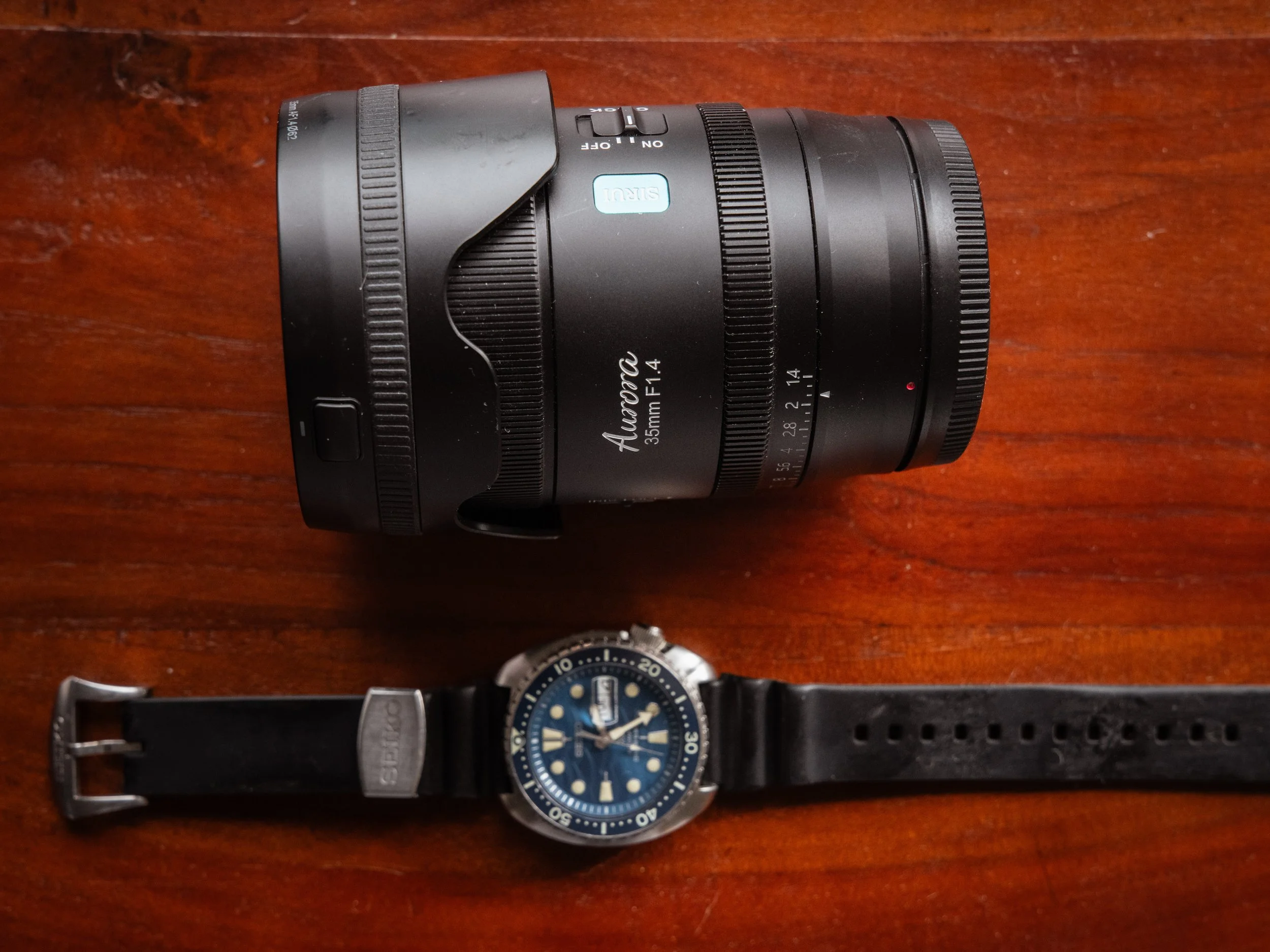
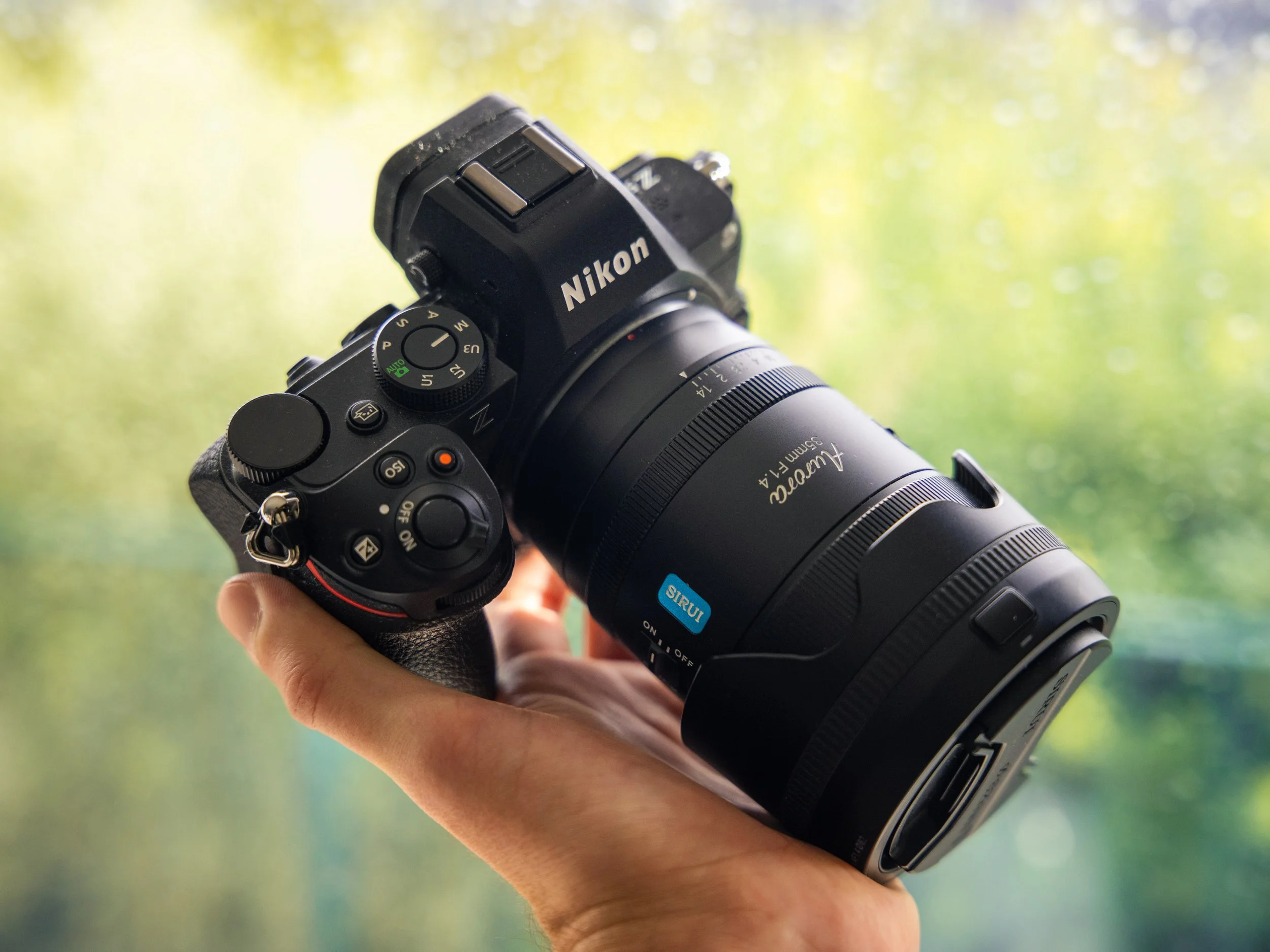
Image Quality // 4 out of 5
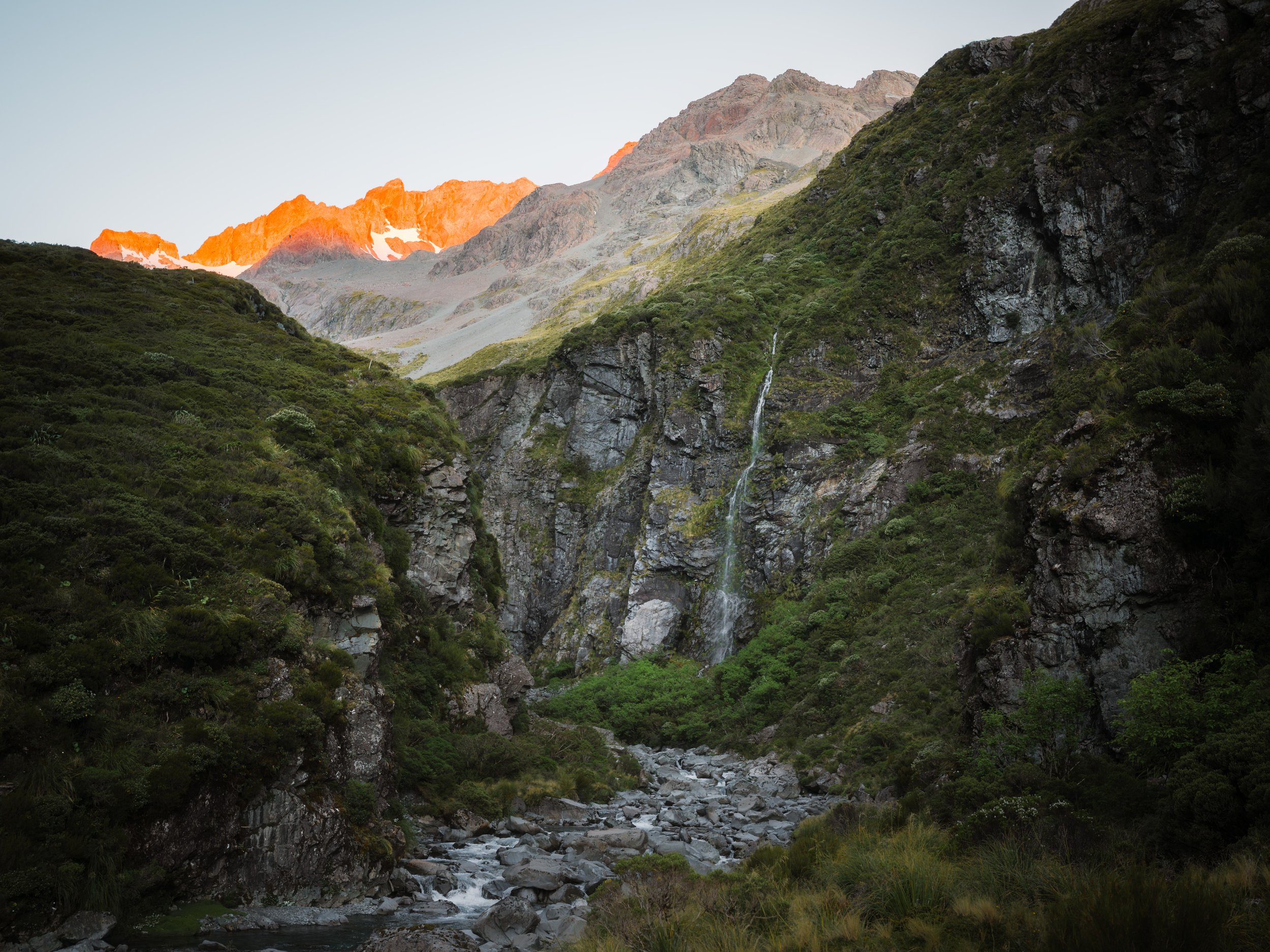
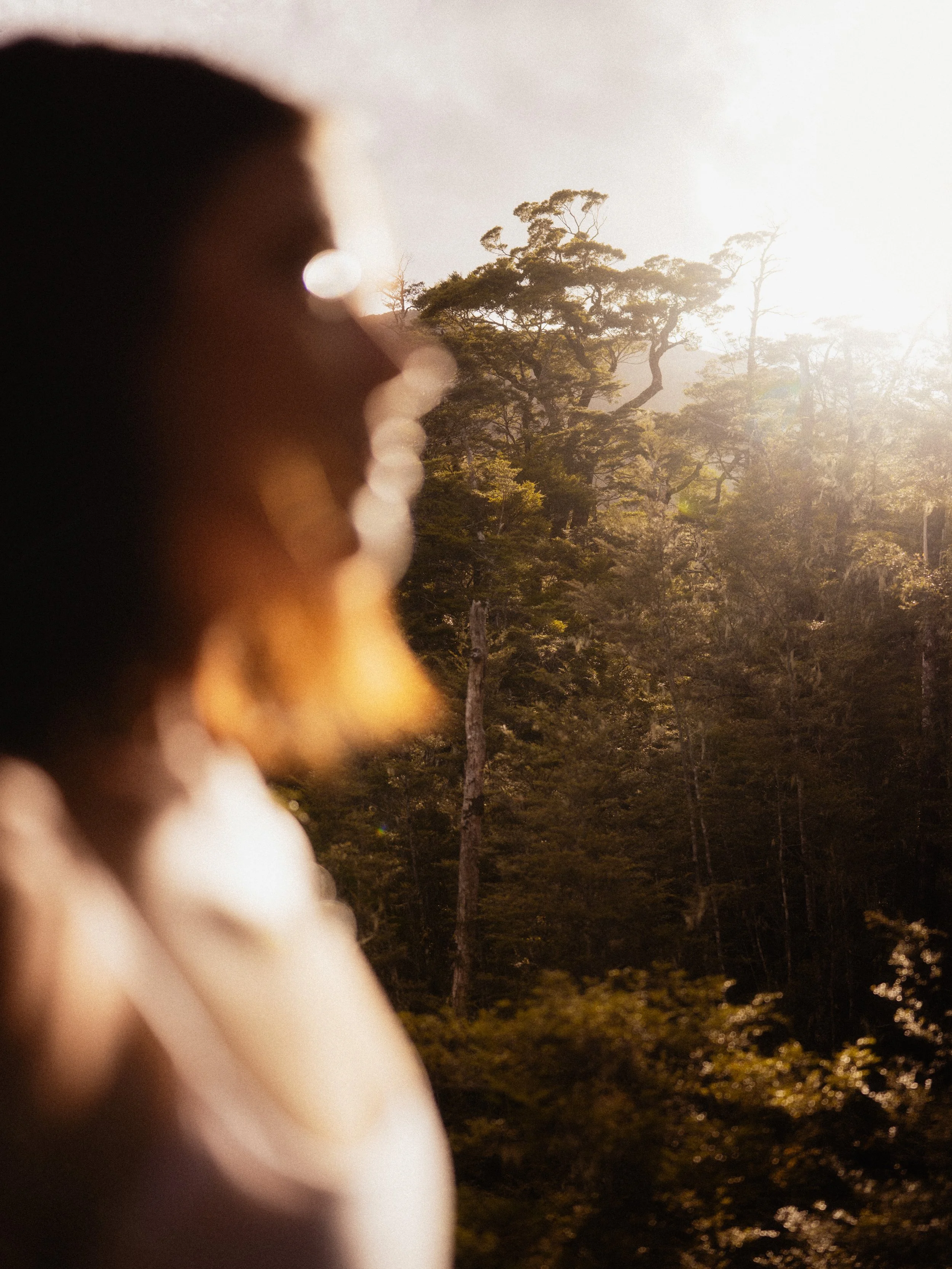
I’m always hesitant to speak in broad strokes when discussing image quality, and here’s why. Situation can dictate performance. In one scenario, the sun is not directly hitting the front element. Therefore, flaring is non-existent, contrast is excellent with no ghosting shown, and the overall sharpness of the lens is superb. In another scenario, I’m shooting in broad daylight. Ghosting is impacting large portions of the frame, notably diminishing contrast and saturation. Sharpness feels worse, though that’s in part due to the inconsistent contrast in the frame. The overall result begins to feel unpredictable, and therefore…worse.
These two scenarios apply to the Aurora, and serve as it’s biggest pitfall in use. I should be clear here, I do not enjoy flaring on almost any lens. I find it distracting, useless in almost all shooting scenarios I find myself in, and generally a factor that makes me distrust a lens in severe cases. Therefore, my evaluation of the Aurora’s image quality is mixed. In non-direct sunlight, the lens is sharp, punchy, and reliably excellent. In harsh and direct sunlight, results fall off a bit as contrast suffers and punchiness is lost. To those that enjoy flaring, you might evaluate these results somewhat differently.
Lastly, as a landscape and adventure photographer, I usually feel a bit hesitant to even discuss Bokeh. However, as this is an F/1.4 maximum aperture, it demands a brief note. The bokeh is pleasing and smooth, even in busy environments, only ever suffering when the background has heavy amounts of contrast that can lead to a slightly blocky look. Overall, I find the 35mm Aurora has a standout shallow depth of field, allowing me to effectively isolate my subject and clean up scenes. Does it rival Nikon’s most refined glass? No, but at it’s price, most people will be exceptionally happy with the clean falloff they can create at F/1.4 on this lens.

Focusing // 4 out of 5
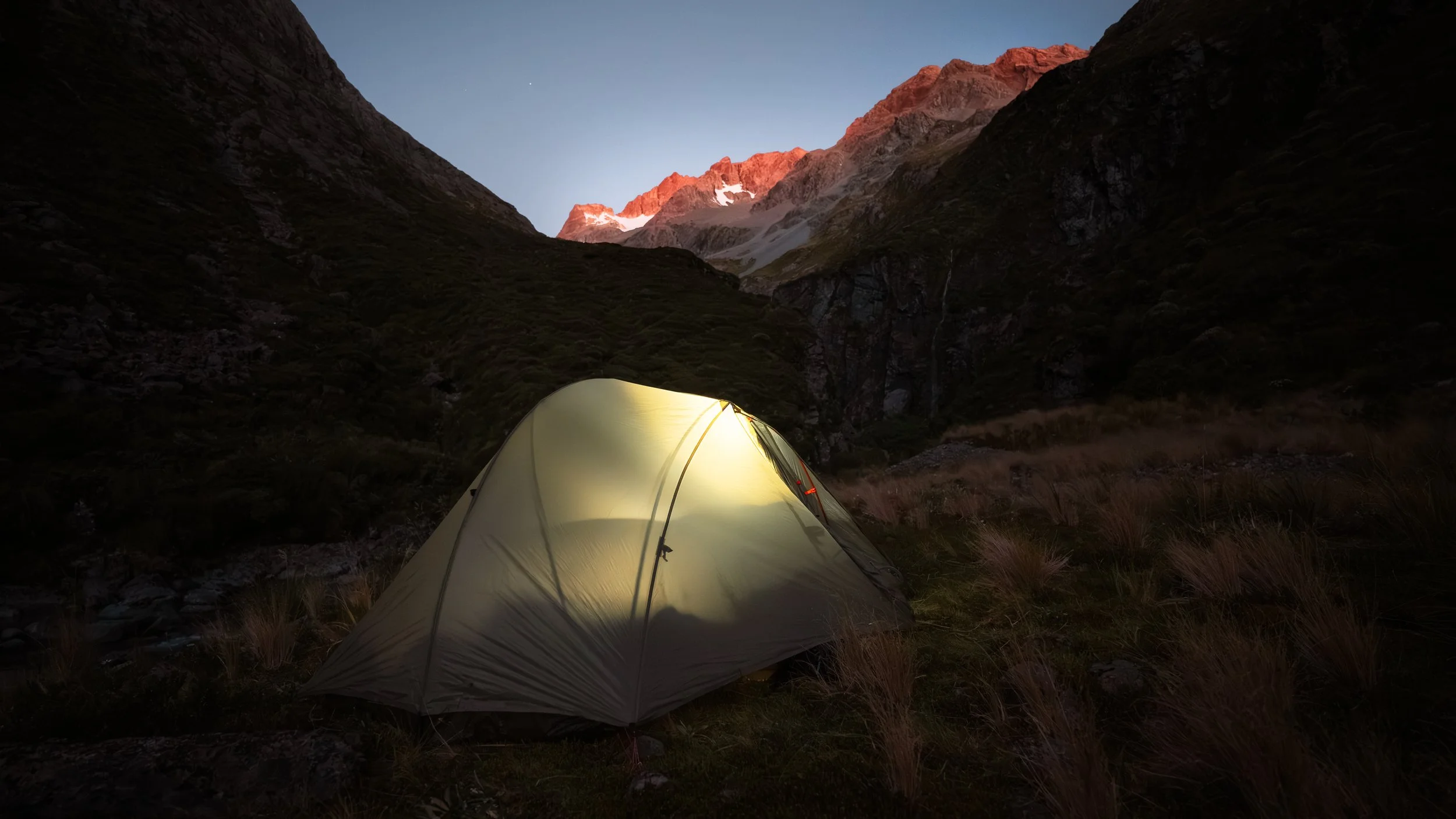
Pairing the Sirui 35mm F/1.4 Aurora with the Nikon Z8 and Nikon Z5II has resulted in nothing but reliable results. I’ve now shot two weddings with this lens capturing no less than half of the total delivered results. Sirui has hit the sweet spot with their focusing systems on the Aurora line of lenses, always feeling snappy and reliable. There are two reasons this lens gets a 4 rather than a 5. First, while it’s been absolutely reliable, it still isn’t as perfectly locked on as Nikon’s native S series lenses like the 24-70mm F2.8 (both versions), occasionally wandering a few mm forwards or backwards in portrait situations. This can sometimes result in front or back focused images, though that’s rarely proven a warrented concern in my time with the lens. Second, I dislike the manual focusing experience. It’s not terrible, but the results of twisting the focus ring feel disconnected from the process, making it a bit of a wrestling match when I want to be precise. This is par for the course on most new autofocus lenses unfortunately, so I don’t consider it a major pitfall. All in, the lens is a great performer, not just at this price, but overall.
Practicality // 5 out of 5
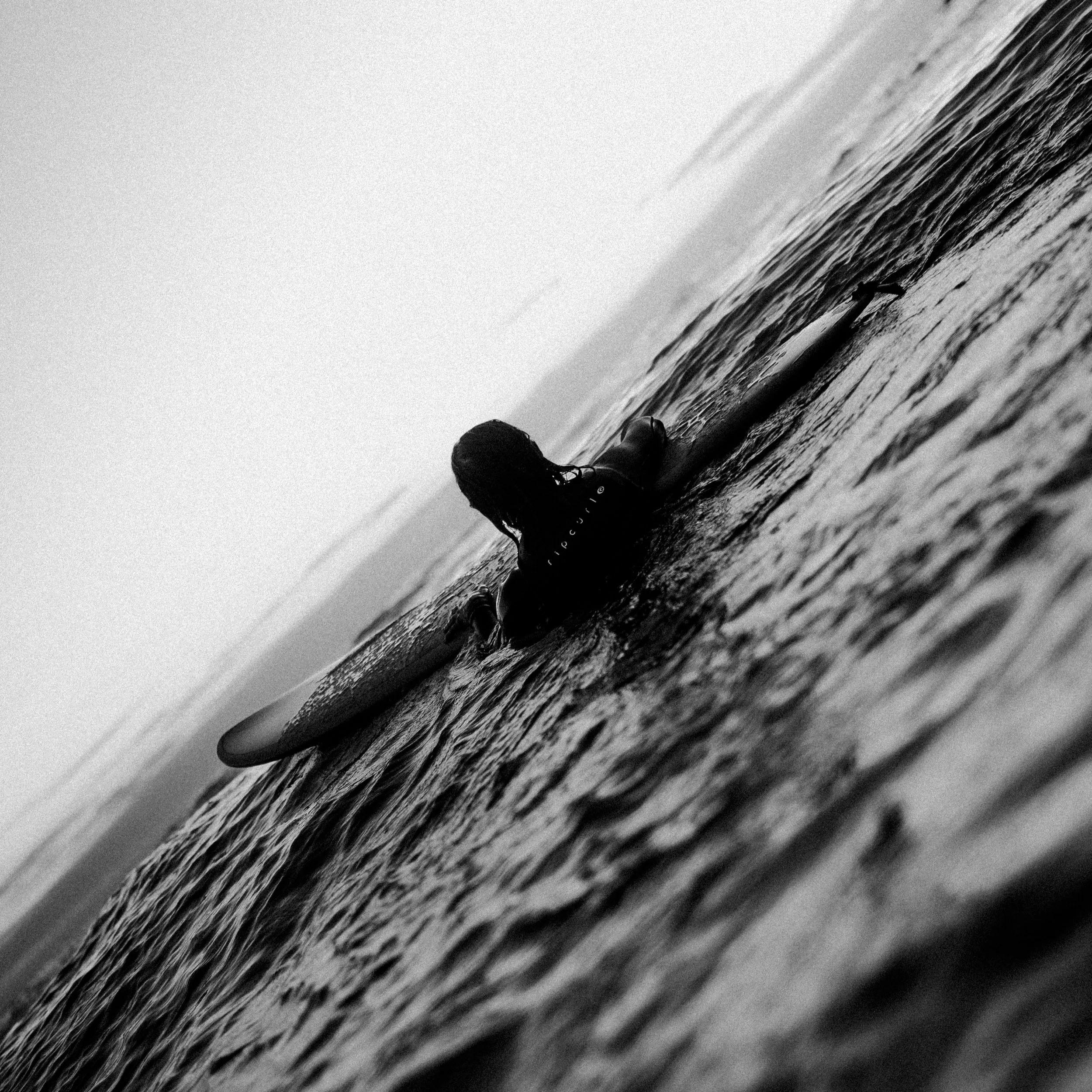
A 35mm is arguably the most consistently practical prime lens. Wide enough for scene building, but tight enough for portraits. Combine that with favorable size, weather sealing, and a bright maximum aperture, and this lens rarely has a reason not to be in the bag. The only reason it’s ever left out of mine is simply because I often prefer a 24-70mm or 14-24mm for landscape and adventure situations.
To Summarize // 4.375 out of 5
The term “budget oriented” means something completely different from when I first got started in photography, which quite frankly wasn’t that long ago. The idea that we can get a lens of this quality for $550 without a sale is astounding. The build quality is great. The image quality is strong in all but the harshest direct light. Perhaps most importantly, the lens is absolutely practical for virtually all photographers looking to work with a prime lens. I recommend the Aurora, and I suspect if you have the chance to use it, you’ll recommend it as well.
Buy It Here —> Sirui 35mm F/1.4 Aurora

About Me:
I have shot photos for seven years, with a consistent focus on capturing moments of action and environment while I am outside. I’ve dabbled in quite a few different genres of photography, and I’ve found that my favorite moments to take a photo are when the wind is whipping, the air is freezing, and I’m far away from home. Over the last year, I’ve come to the realization that taking photos and telling stories are two very different things. My goal is to keep improving as a story teller that can work in the harshest environments and come away with compelling sets of photos and written stories that help me, and others, to relive the essence of an adventure. I am focused on continuing to grow as a visual story teller so that I may leverage my skills to successfully work within conservation, expedition photography, and commercial photography.